
If you have diabetes, you have probably heard your healthcare professional talk about your HbA1c.
You may know that a lower number is generally better, but what does HbA1c actually measure? Why is it important? How often should it be checked? And can you have a “good” HbA1c and still have problems with your glucose levels?
Let’s take a closer look.
What is HbA1c?
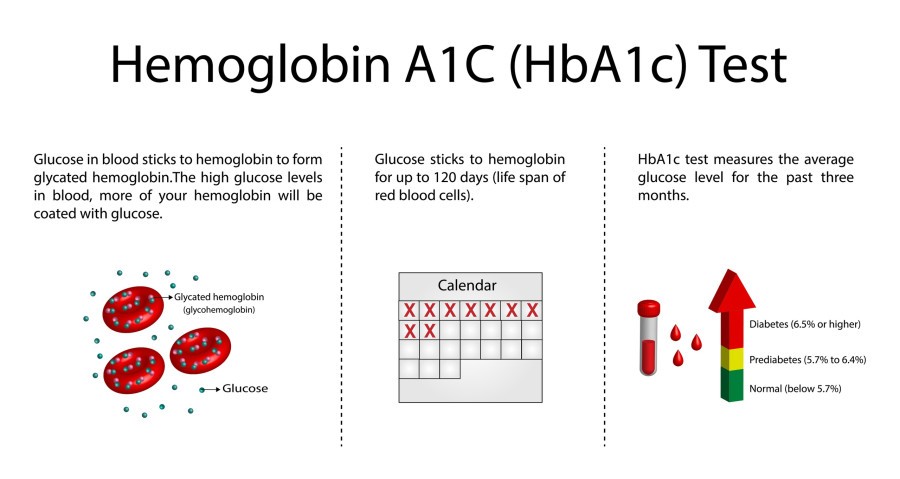
HbA1c stands for glycated haemoglobin.
Haemoglobin is a protein inside your red blood cells. Its job is to carry oxygen around your body.
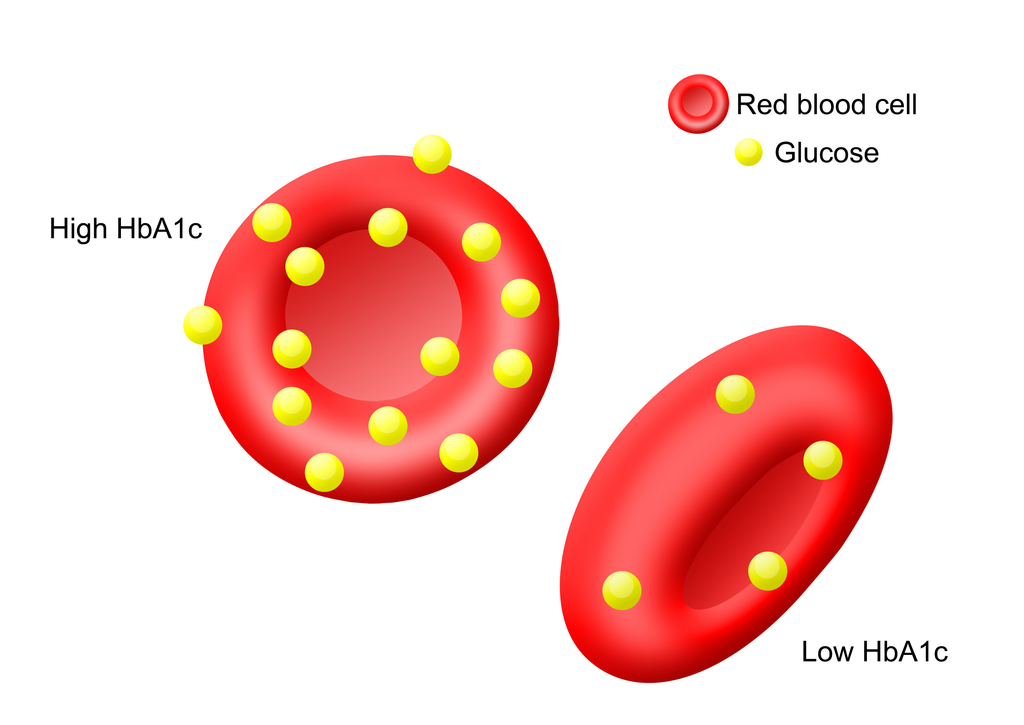
Glucose in your blood naturally attaches to haemoglobin. The higher your blood glucose levels are, the more glucose attaches to the haemoglobin.
Red blood cells live for about 2–3 months. This means that measuring HbA1c gives us information about your blood glucose levels over the previous 2–3 months.
You may see your result reported in two ways:
- as a percentage, such as 7%
- as mmol/mol, such as 53 mmol/mol
These are two different ways of reporting the same result.
Unlike a blood glucose test, you do not need to fast before an HbA1c test.
What does HbA1c tell us?
A blood glucose check tells us what your glucose is doing at that point in time.
HbA1c gives us a much longer-term view. It helps us understand your overall glucose control over the previous 2–3 months.
It can help us see whether your glucose levels are generally:
- improving
- staying around the same level
- becoming higher over time.
This information can help guide decisions about your diabetes treatment and medication.
It also gives you feedback about how your diabetes management is going.
However, HbA1c is only part of the picture.
HbA1c does not show the whole story
Two people can have exactly the same HbA1c but have very different glucose patterns.
For example, one person may have glucose levels that stay fairly steady throughout the day.
Another person may have frequent high and low glucose levels, but the highs and lows average out to give the same HbA1c.
HbA1c cannot tell us:
- when your glucose is going high or low
- how much your glucose changes during the day
- what is causing those changes
- how food, exercise, illness, stress or sleep may be affecting your glucose
- how your body is responding to these things at a particular time.
For this information, we need actual glucose readings from a finger-prick blood glucose meter or continuous glucose monitor (CGM).
This is especially important if you use insulin or another medicine that can cause hypoglycaemia (low blood glucose).
You can have an HbA1c that looks good while still having too many low glucose levels.
This is one reason we should not focus on the HbA1c number alone.
HbA1c helps us understand longer-term glucose control. Glucose readings help us understand what is happening day to day.
Why does HbA1c matter?
Why do we care about keeping blood glucose levels in a healthy range?
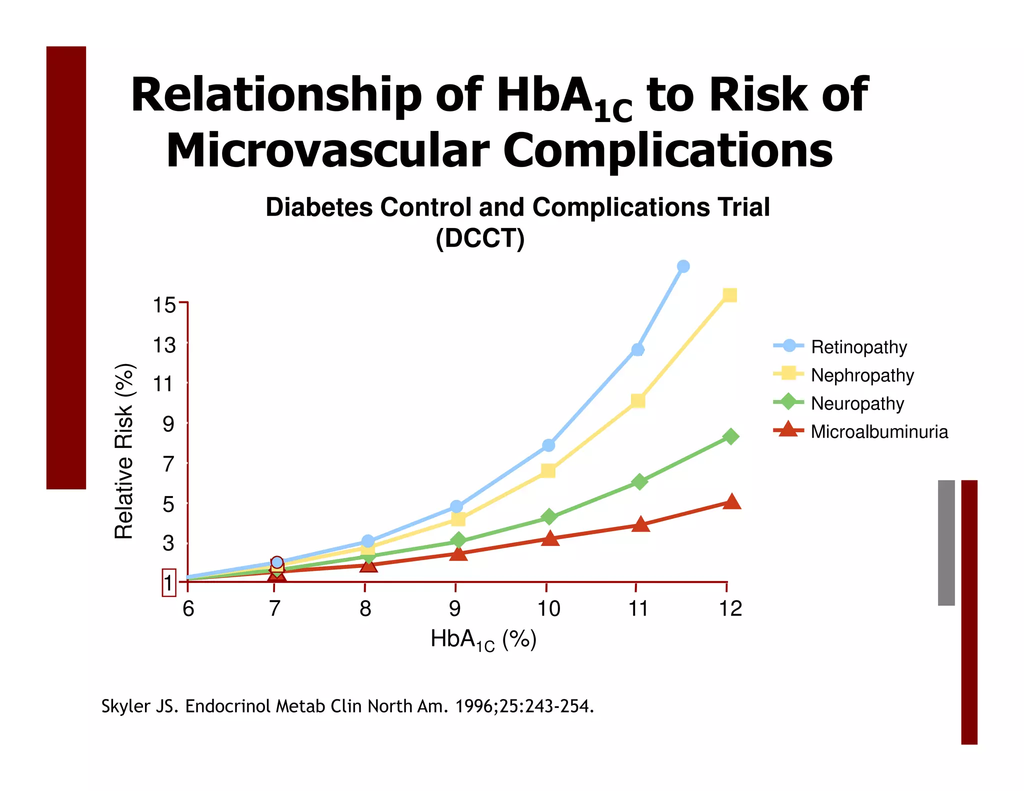
Over many years, prolonged high blood glucose levels can increase the risk of diabetes complications. These can include problems affecting the:
- eyes
- kidneys
- nerves
- blood vessels and heart.
Two important research studies helped us understand this.
The DCCT
The Diabetes Control and Complications Trial (DCCT) looked at people with type 1 diabetes.
The study compared people receiving intensive diabetes treatment with people receiving the usual treatment at that time.
The group receiving more intensive treatment had lower HbA1c levels and a much lower risk of developing or worsening problems with the eyes, kidneys and nerves.
For example, the risk of developing diabetic eye disease was reduced by 76%, kidney disease by 50% and nerve disease by 60%.
The DCCT also showed an important downside of intensive treatment: the risk of hypoglycaemia was higher.
This is important because it reminds us that lower is not always better.
The UKPDS
The UK Prospective Diabetes Study (UKPDS) was a large, long-running study involving people with type 2 diabetes. It began in 1977 and has continued to provide important information about diabetes and long-term health.
The original study showed that improving blood glucose control reduced the risk of diabetes complications, particularly problems affecting the small blood vessels, such as the eyes and kidneys.
One of the most interesting findings came from following people after the original study ended. Even when the differences in HbA1c between the treatment groups became much smaller, some of the benefits of earlier good glucose control continued.
This is known as the “legacy effect”.
It suggests that the benefits of good glucose management can continue to be seen years later. In simple terms, what happens to your glucose levels over time can matter for your future health.
This is one reason HbA1c is useful. It helps us look beyond what your glucose is doing today and consider your longer-term glucose control.
What should my HbA1c be?
There is no single HbA1c target that is right for everyone.
For many adults who are not pregnant, an HbA1c of less than 7% (53 mmol/mol) is a reasonable general target, provided this can be achieved without significant hypoglycaemia.
But your target may be different.
Your healthcare professional may consider:
- your age
- how long you have had diabetes
- your other health conditions
- the medicines you take
- your risk of hypoglycaemia
- whether you have diabetes complications
- your ability to manage your treatment
- your own goals and preferences.
For some older people, particularly those who are frail or at greater risk from hypoglycaemia, a higher HbA1c target may be safer.
This means that an HbA1c of 7% is not a pass mark, and an HbA1c above 7% is not a failure.
Your target should be individualised to you.
Why a “good” HbA1c is not always the goal
It can be tempting to think that the lower the HbA1c, the better.
But if achieving a lower HbA1c means having frequent or severe hypoglycaemia, the treatment may be doing more harm than good.
This is particularly important for people taking insulin or certain other glucose-lowering medicines.
For example, someone could have an HbA1c of 6.5% but experience frequent overnight hypos. Another person may have an HbA1c of 7.5% with very few hypos.
The second person’s result may be safer for them.
This is why HbA1c needs to be considered alongside glucose readings and the person’s overall health.
How often should HbA1c be checked?
HbA1c changes over time, so repeating it too soon does not usually give us much useful information.
Around three months is often used when:
- treatment has recently changed
- your HbA1c is above your target
- your glucose levels are changing
- closer monitoring is needed.
If your diabetes is stable and your HbA1c is at your individual target, it may be appropriate to check it less often.
For people with established diabetes, Medicare currently allows an HbA1c test for diabetes management up to four times in 12 months, subject to the Medicare Benefits Schedule rules. This does not mean everyone with diabetes needs four tests every year. The timing should depend on what information is needed to manage your diabetes.
When HbA1c may not be reliable
HbA1c relies on red blood cells living for their usual length of time.
If something changes the number, type or lifespan of your red blood cells, the HbA1c may not accurately reflect your glucose levels.
This can happen with some types of anaemia and blood disorders.
Iron deficiency anaemia
Iron deficiency can sometimes make the HbA1c appear higher than it really is.
If you have iron deficiency and your HbA1c does not seem to match your glucose readings, this may need to be taken into account.
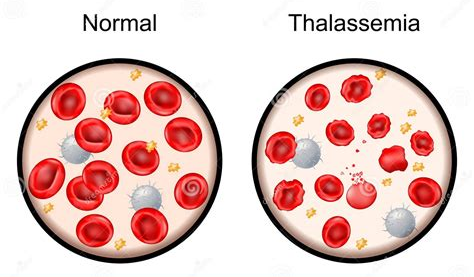
Thalassaemia and other haemoglobin conditions
Thalassaemia affects haemoglobin and red blood cells.
Depending on the type of thalassaemia and the HbA1c test used, the result may not accurately reflect your glucose levels.
Some haemoglobin variants can also interfere with HbA1c testing.
Other situations
HbA1c can also be affected by situations that change how long red blood cells remain in your bloodstream.
These can include:
- significant blood loss
- conditions where red blood cells are destroyed more quickly than usual
- some blood disorders
- recent blood transfusion.
In these situations, the HbA1c may be falsely low, falsely high or otherwise unreliable, depending on what is happening.
If your HbA1c does not seem to match your finger-prick or CGM readings, it is worth discussing this with your healthcare professional.
Sometimes another blood glucose test may give a more useful picture.
HbA1c and diagnosing diabetes
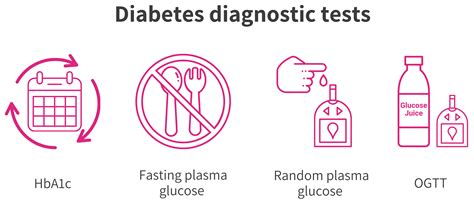
HbA1c is not only used to monitor diabetes. In Australia, it can also be used as a blood test to diagnose diabetes.
The results are generally interpreted as:
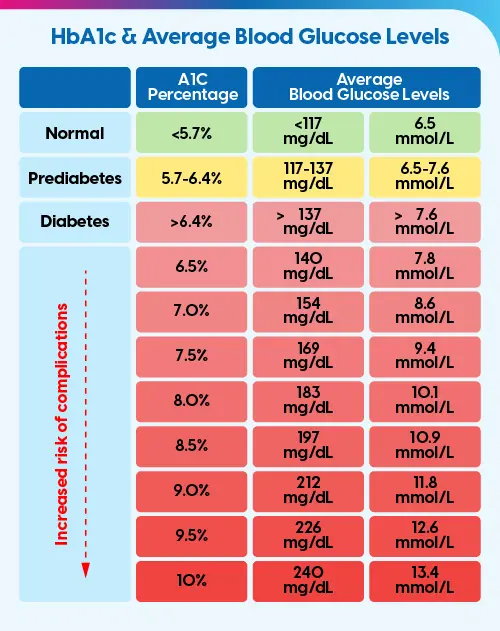
- Below 6.0% (below 42 mmol/mol): not in the diabetes or prediabetes range based on HbA1c
- 6.0–6.4% (42–46 mmol/mol): increased risk of developing diabetes — often called prediabetes
- 6.5% (48 mmol/mol) or higher: diabetes range
If a person has no symptoms of diabetes, an abnormal result generally needs to be confirmed before a diagnosis is made.
Other blood glucose tests can also be used to diagnose diabetes.
Importantly, HbA1c is not suitable for diagnosis in every situation, particularly when there are conditions that may make the result unreliable. For example, fatty liver disease can be linked with insulin resistance, which may cause fasting glucose to rise into the prediabetes or diabetes range even when HbA1c is still normal.
Who should have an HbA1c to check for diabetes?
Not everyone needs an HbA1c every year.
For people without diagnosed diabetes, the first step is often to look at their risk of developing type 2 diabetes.
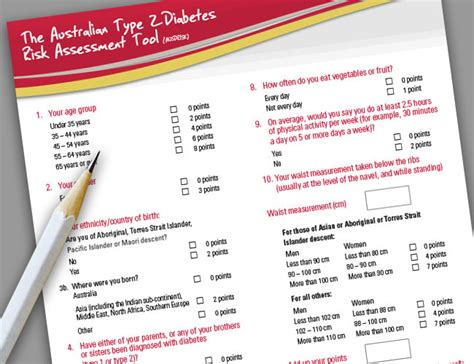
The Australian Type 2 Diabetes Risk Assessment Tool (AUSDRISK) is a simple questionnaire that estimates your risk of developing type 2 diabetes over the next five years.
It asks about factors including:
- your age
- family history of diabetes
- where you were born
- blood pressure medication
- smoking
- physical activity
- diet
- waist measurement.
An AUSDRISK score of 12 or more indicates high risk.
Check your AUSDRISK score using the Australian Government’s risk assessment tool
For people in the general population without specific risk factors, diabetes risk should generally be assessed every three years from age 40.
People who are at high risk should have diabetes testing with a fasting blood glucose or HbA1c annually.
Aboriginal and Torres Strait Islander adults have a higher risk of type 2 diabetes and are recommended to have diabetes screening from age 18 on an opportunistic or annual basis rather than relying on AUSDRISK alone.
Why might different glucose tests be used?
HbA1c, fasting blood glucose and glucose readings after eating can each tell us something different.
Fasting blood glucose can give us information about how your body is managing glucose when you have not eaten. Insulin resistance can cause fasting glucose to rise. This is common in people with fatty liver disease, and fasting glucose can sometimes reach the prediabetes or diabetes range even when HbA1c is still normal.
Glucose after eating tells us more about how your body is handling the food you eat, particularly carbohydrates. When we eat carbohydrates, they are broken down into glucose and released into the bloodstream. Insulin helps move glucose from the blood into our cells to be used for energy.
When the body becomes more resistant to insulin, glucose may stay higher in the blood for longer, particularly after eating.
This is why your healthcare professional may use more than one type of glucose test. Looking at the results together can give a better understanding of what is happening in your body.
Medicare and HbA1c screening
There is a specific Medicare item for HbA1c testing to help diagnose diabetes in asymptomatic people who are at high risk. Under the current Medicare Benefits Schedule, this testing is available no more than once in a 12-month period, subject to the eligibility requirements.
Your GP or nurse practitioner can determine which diabetes screening test is appropriate for you.
What HbA1c can — and cannot — tell you
HbA1c can help us understand:
- your longer-term glucose control
- whether your glucose control is improving or becoming higher
- whether your current treatment may be working
- your longer-term exposure to high glucose
- your risk of developing some diabetes complications.
HbA1c cannot tell us:
- what your glucose is right now
- whether you are having hypos
- when your glucose is going high
- how much your glucose changes during the day
- what is causing those changes
- how your body is responding to food, exercise, illness, stress or other factors
- whether the HbA1c result is reliable when certain blood conditions are present.
This is why HbA1c and glucose monitoring work together.
HbA1c is information, not a report card
It is easy to see an HbA1c result as a score that tells you whether you have been “good” or “bad” with your diabetes.
It isn’t.
HbA1c is information.
It gives you and your healthcare professional a useful measure of what your glucose levels have been doing over time. It can help you see whether changes to your food, activity, medication or other parts of your diabetes management are making a difference.
But it is only one piece of information.
Your HbA1c needs to be considered alongside your glucose readings, medications, risk of hypoglycaemia, other health conditions and your individual goals.
The most useful question is not simply:
“What is my HbA1c?”
It is:
“What is my HbA1c telling me, and what does it mean for me?”