World Kidney Day 12th March 2026. Kidney Health for all.
Looking After Your Kidney Health
Our kidneys work quietly in the background every day. They filter waste from the blood, help regulate blood pressure, balance fluids, and support overall health. Because they are so efficient, kidney disease can develop silently, often without symptoms in the early stages.
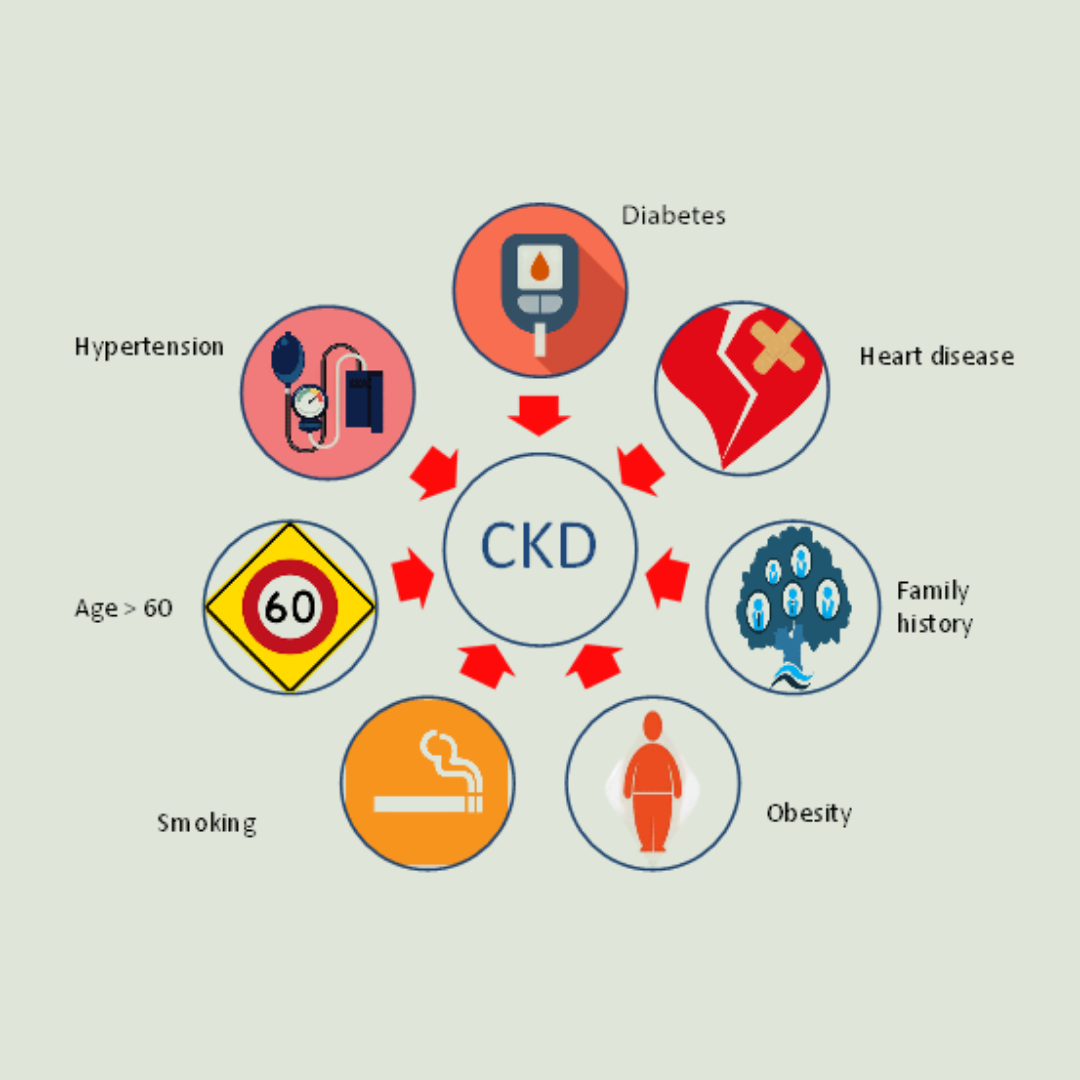
Around 1 in 10 people worldwide are affected by chronic kidney disease (CKD). Early detection is important, but there are also many practical steps people can take to help protect kidney health and prevent complications.
For people living with diabetes, prediabetes, metabolic syndrome, or cardiovascular risk, kidney health is an important part of overall long-term wellbeing.
Who should consider kidney health screening?
Simple blood and urine tests for kidney function can help detect early changes. Early detection allows time to make lifestyle changes and medical adjustments that may help slow progression of chronic kidney disease (CKD).
Screening is particularly important for people who:
- Live with diabetes or prediabetes
- Have high blood pressure
- Have heart or cardiovascular disease
- Are living with overweight or obesity
- Have a family history of kidney disease
- Are aged over 60
For people living with type 1 & 2 diabetes, regular kidney health checks are an important part of routine diabetes care and long-term complication prevention.

Everyday habits that support kidney health
The encouraging news is that many of the same habits that support diabetes management, metabolic health and cardiovascular health also help protect kidney function.
Manage blood glucose and blood pressure
For people living with diabetes or hypertension, keeping levels within recommended ranges can significantly reduce stress on the kidneys.
Stay well hydrated
Regular fluid intake helps the kidneys remove waste products from the body and maintain fluid balance.
Eat a balanced diet
A diet rich in vegetables, fibre, whole foods, and healthy fats can support metabolic health. Limiting highly processed foods and excess salt may also reduce kidney strain.
Be mindful with medications
Some medications — including certain anti-inflammatory pain medicines — can place extra stress on the kidneys if used regularly. Always discuss ongoing medication use with your healthcare team.
Maintain a healthy weight and stay active
Regular movement and gradual, sustainable weight management can improve blood pressure, blood glucose levels, and cardiovascular health — all of which support kidney function.
Avoid smoking and limit alcohol
Smoking damages blood vessels and can accelerate kidney decline. Reducing alcohol intake also supports metabolic and cardiovascular health.
Small steps can protect long-term kidney health
Kidney health is closely connected to diabetes, heart health, and metabolic wellbeing. Small, consistent lifestyle changes can make a meaningful difference over time.
For people living with type 1 & 2 diabetes or insulin resistance, regular monitoring and early conversations with your healthcare team can help protect both kidney and cardiovascular health.

Kidney health resources
If you would like to learn more about protecting your kidneys, chronic kidney disease prevention, or kidney health screening, reliable information and practical resources for the public are available through Kidney Health Australia.
Taking an interest in kidney health today is a positive step toward protecting your wellbeing in the years ahead.
If you live on the Mornington Peninsula, including Safety Beach, Dromana, Rosebud, Rye, Sorrento, Blairgowrie, Red Hill, Balnarring, Hastings, Somerville, Mornington, Mount Eliza or Frankston, support for diabetes management, metabolic health and complication prevention is available through Mornington Peninsula Diabetes Education.